Three kinds of request we turn down on day 0: the category does not fit the lines, the volume sits below the MOQ, or the target market asks for something we cannot cover. That call comes in the first email, not the third meeting — quoting is the slowest step and there is no point costing a route that does not work.
Three kinds of request we send back 3
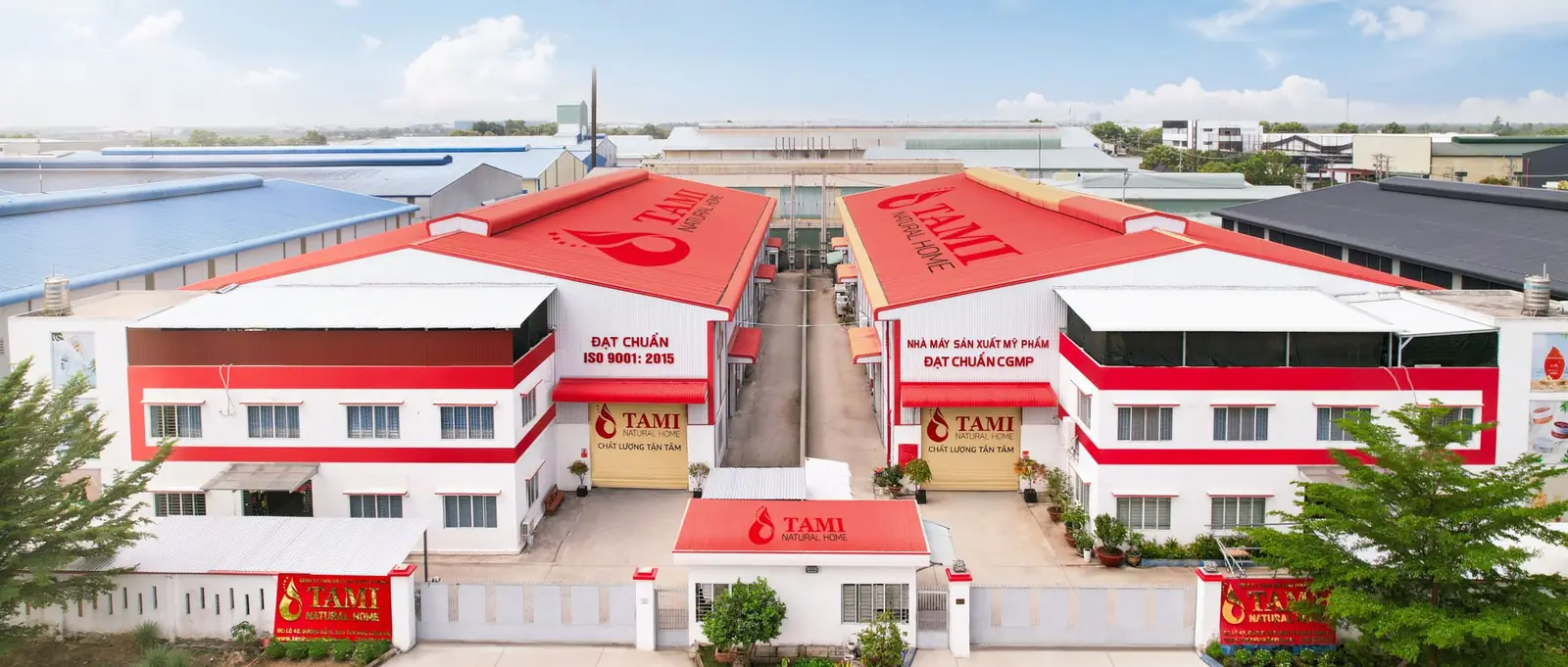
- Category does not fit the linesWe do not take makeup, powder or pressed-powder projects. The scope recorded in the ISO 9001 and CGMP documents is wet cosmetics; equipment capability outside that scope is not offered as an available service.
- Volume below the MOQThe 15 categories each have a floor; the lowest is 100 kg. Below that there is no smaller tank that discharges reliably — it is not a pricing question.
- Target market we cannot coverWhere the credentials or the registrant responsibility cannot be met from our side, the goods will not enter anyway. Better said first.
“Can be made” and “in scope” are not the same
We do not take makeup, powder or pressed-powder projects. The scope recorded in the ISO 9001 and CGMP documents is wet cosmetics; equipment capability outside that scope is not offered as an available service.
First confirm that the category is within our current manufacturing scope, then review product and documentation requirements for the target market.
If what you need is wet-process, you are inside the scope and this is not an obstacle.
Cleanliness needs the same boundary drawn: our clean zones are rated ISO Class 8 (ISO 14644-1), not sterile grade (ISO Class 5), and we do not run aseptic filling. Aerosols and OTC-drug categories sit outside our manufacturing scope — sun care included: SPF products are regulated as OTC drugs in some markets, and we treat that category as out of scope. None of these are capacity questions; they are credential and facility questions, and price does not move them.
When volume is short, try these three
First, split the SKU. 30 ml and 50 ml are two separate SKUs — start with one size and add the other once it sells.
Second, use a stock bottle. Choosing from it avoids tooling, which is the real upfront cost.
Third, change the form. A cream and a serum do not sit at the same threshold even for the same moisturising claim — send the formula direction and we come back with the band for that category.
If all three have been tried and the volume is still short, we cannot take the order and we will say so.
Why saying no first saves you time
A quotation means costing the formula, the packaging and a line slot — the slowest step in the process. If the route does not work, a finely costed quote is worth nothing.
The judgement rests on line capability and certificate scope, not on negotiation tactics. In practice a request comes back for one of three reasons: the category does not match the lines, the volume is under the threshold, or the target market requires something we cannot cover.
Saying it in the first email buys you two weeks to find the next route. That is not a good trade for a factory — but we are after repeat orders, not one order.
Five things to check before you send an enquiry 5
- CategoryWet or dry — decides whether you are inside the scope.
- Volumekg or units per SKU — check it against MOQ & sampling.
- Target marketWhich country — decides the documents and who registers.
- BottleYour own, or from the stock library — decides whether tooling is needed.
- TimingWhen it has to be on shelf — decides whether the slot exists.
Questions on what we turn down 3 Q&A
- Will you quote first and say no afterwards?
- No. If the route does not work we say so in the first email rather than costing it first — a quote followed by a refusal costs you schedule.
- Is a volume below MOQ hopeless?
- Try three things first: split the SKU and start with one size, use a stock bottle to avoid tooling, change the form and re-check the band. If none of it closes the gap, then it is genuinely out of reach.
- Can you make makeup at all?
- We do not take makeup, powder or pressed-powder projects. The scope recorded in the ISO 9001 and CGMP documents is wet cosmetics; equipment capability outside that scope is not offered as an available service.