Customer
Listen to the product brief and understand the buyer’s requirements.
Tan Duc Industrial Park, Tay Ninh Province, Vietnam — built to CGMP standards, four lines in separate slots on one site. Formulation, QC and stability testing run in-house. Visits can be arranged at any time; walking the floor against the photographs is the quickest way to check us.
We connect product ideas with formulation, samples, filling and packaging. Perfume, pet care and body care remain our core areas, with the project requirements agreed before production.
Listen to the product brief and understand the buyer’s requirements.
Develop the product around its intended use, format and approved specification.
Review product and process information against the project requirements.
Consider the formula, packaging, claims and intended use together.
Connect product development with samples and practical manufacturing.
Define the scope, evidence and responsibilities clearly.
Quality review connects materials, packaging, the approved product specification and finished goods. Available records and project requirements are reviewed with the buyer.
Explore the Manufacturing Process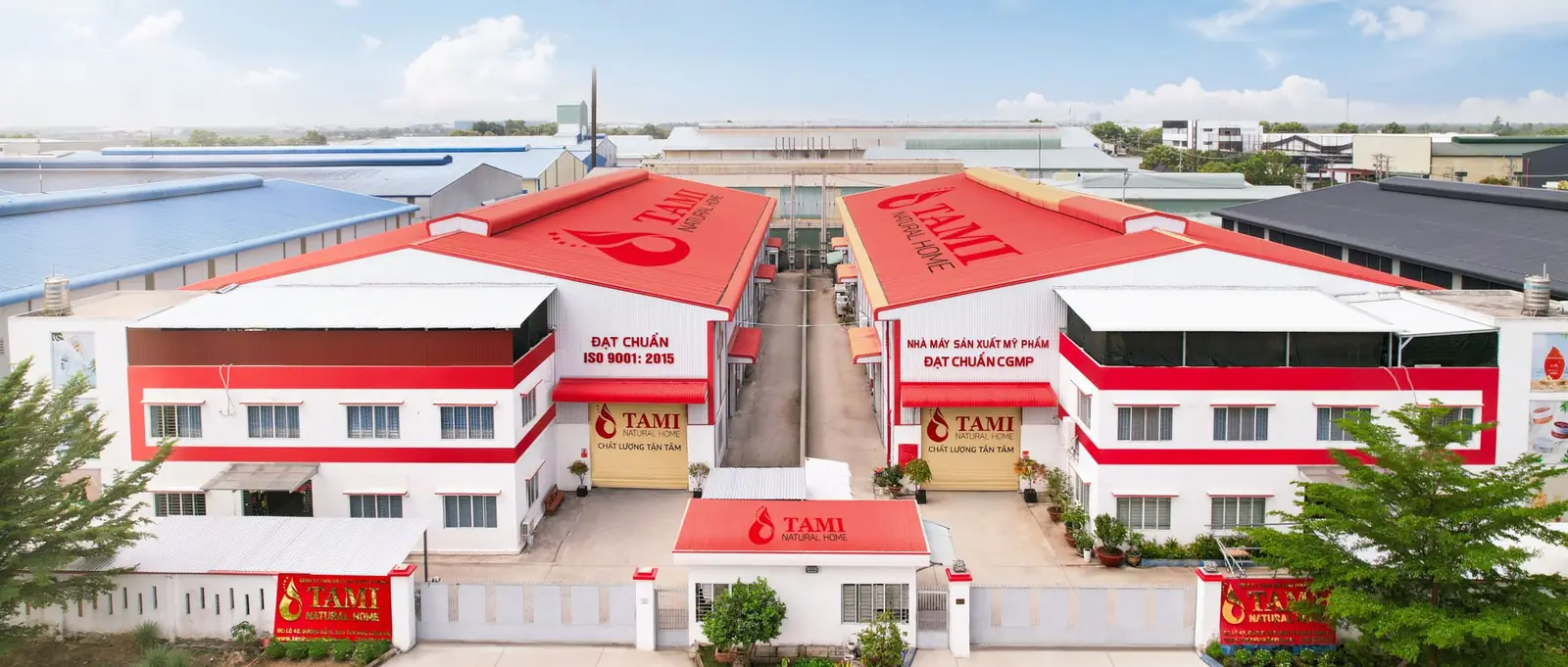
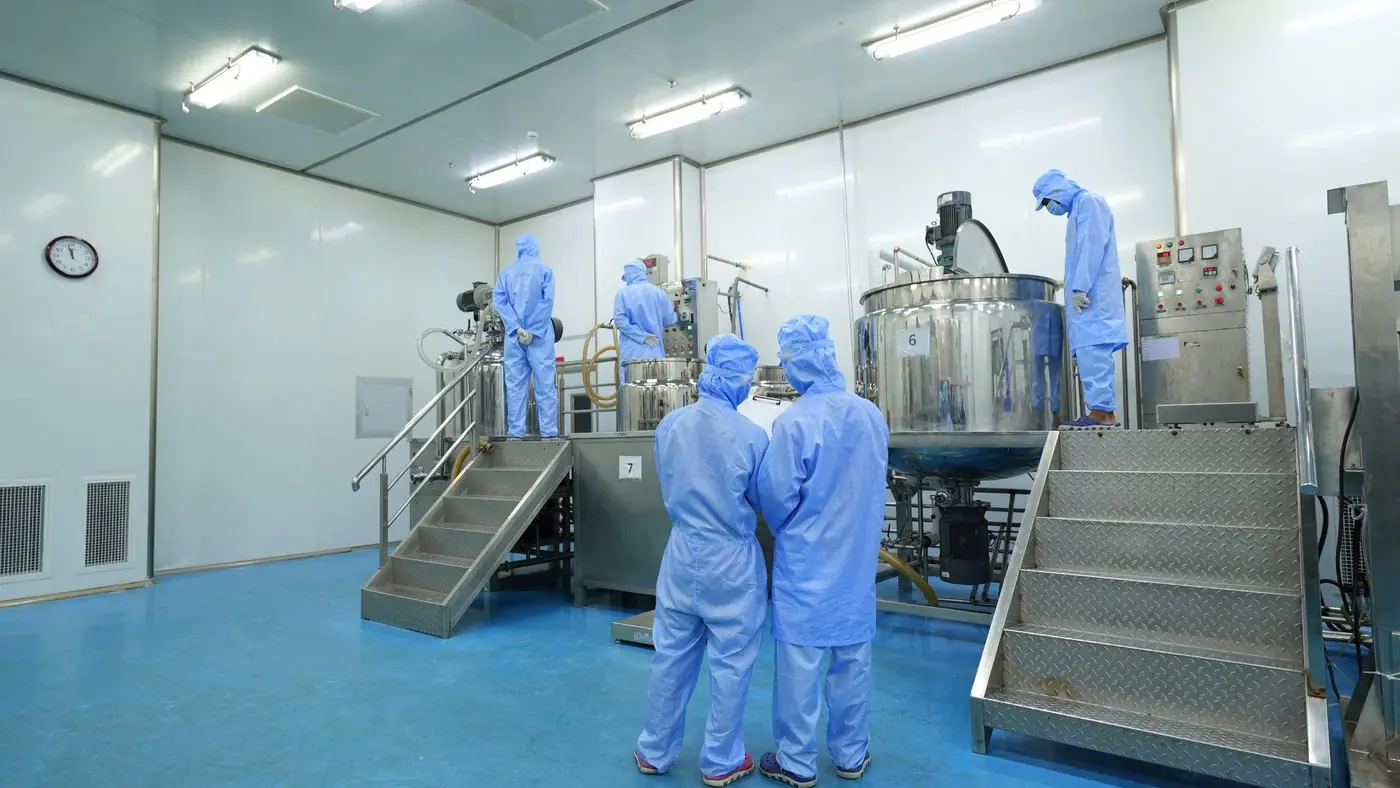
Judge capacity on the equipment, not the headline number. How much a batch holds and how many tanks there are, and how much water the plant can make in a day, are hard constraints nobody can dress up.
Water is the one most often skipped: any formula containing water — wash products, toners, lotions, shampoo — cannot exceed the water supply, however many tanks stand on the floor.
Ask one more question: how the annual figure was derived from the daily one. How many production days a year actually runs depends on that year's schedule. A yearly number obtained by multiplying the daily one is calculated, not scheduled.
Our equipment is itemised below and can be checked tank by tank. We do not put a capacity figure on the factory's behalf that would have to be inferred from scheduling, and we do not sell on one.
Warehousing deserves its own note. Some raw materials and packaging are imported and carry long lead times; 5,000-plus square metres of storage buffers exactly that, so you are not forced to hold a full run of material on your own books.

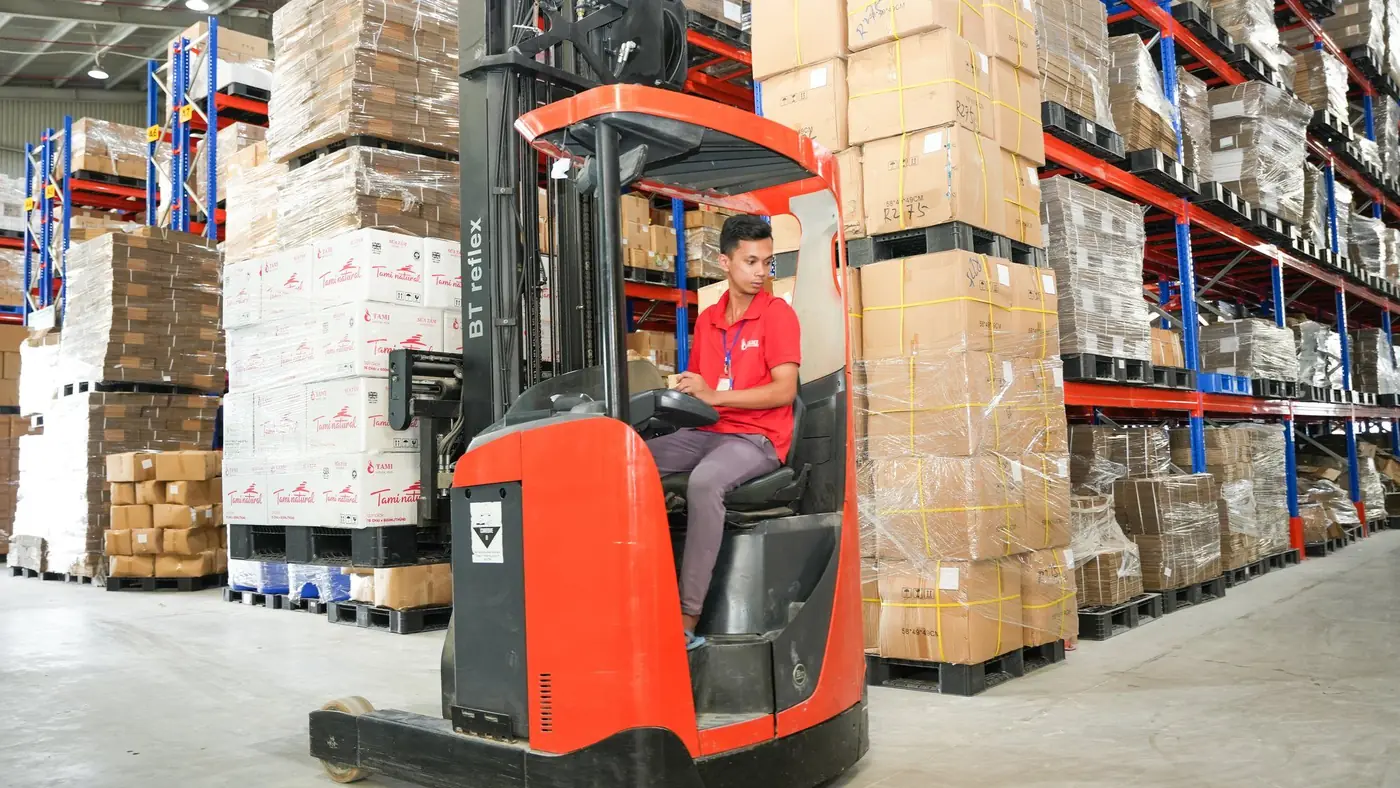
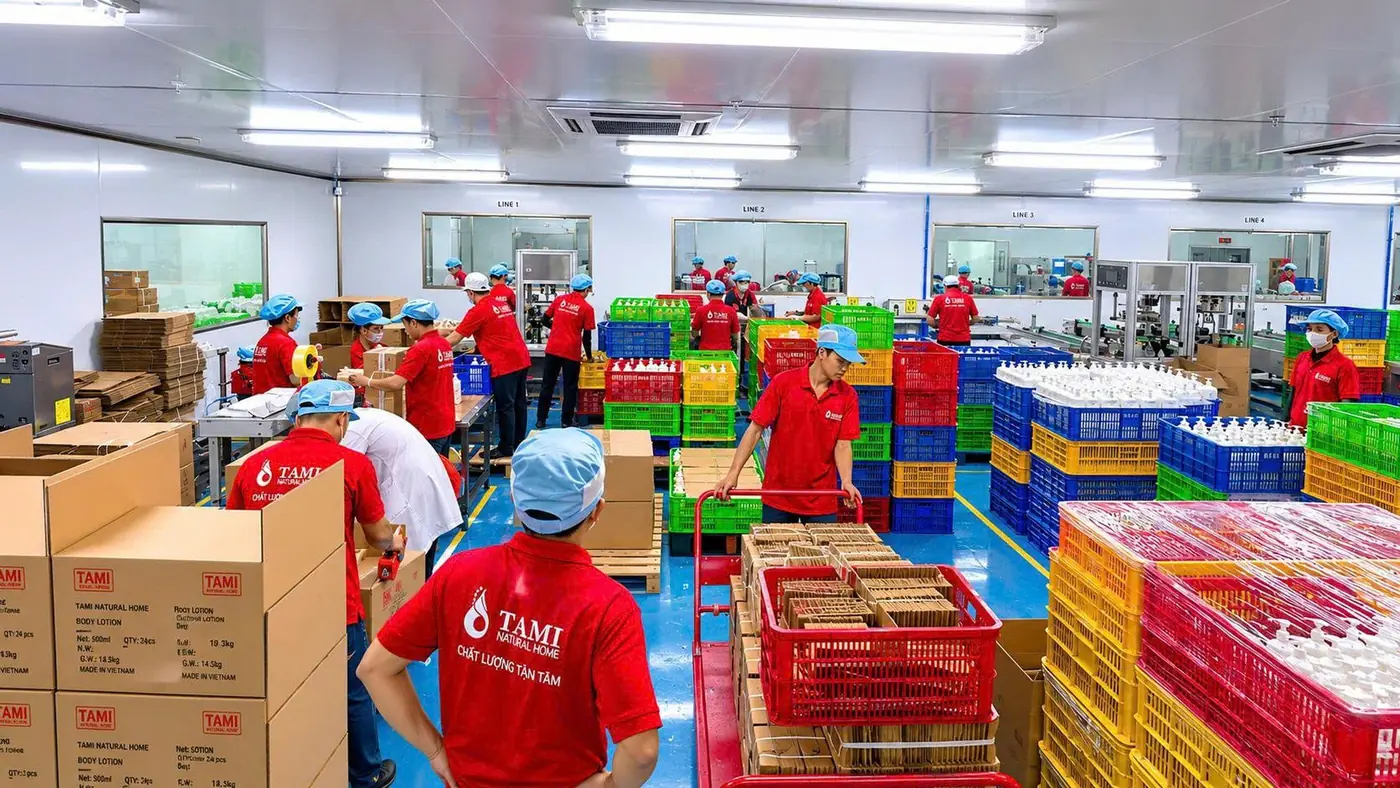
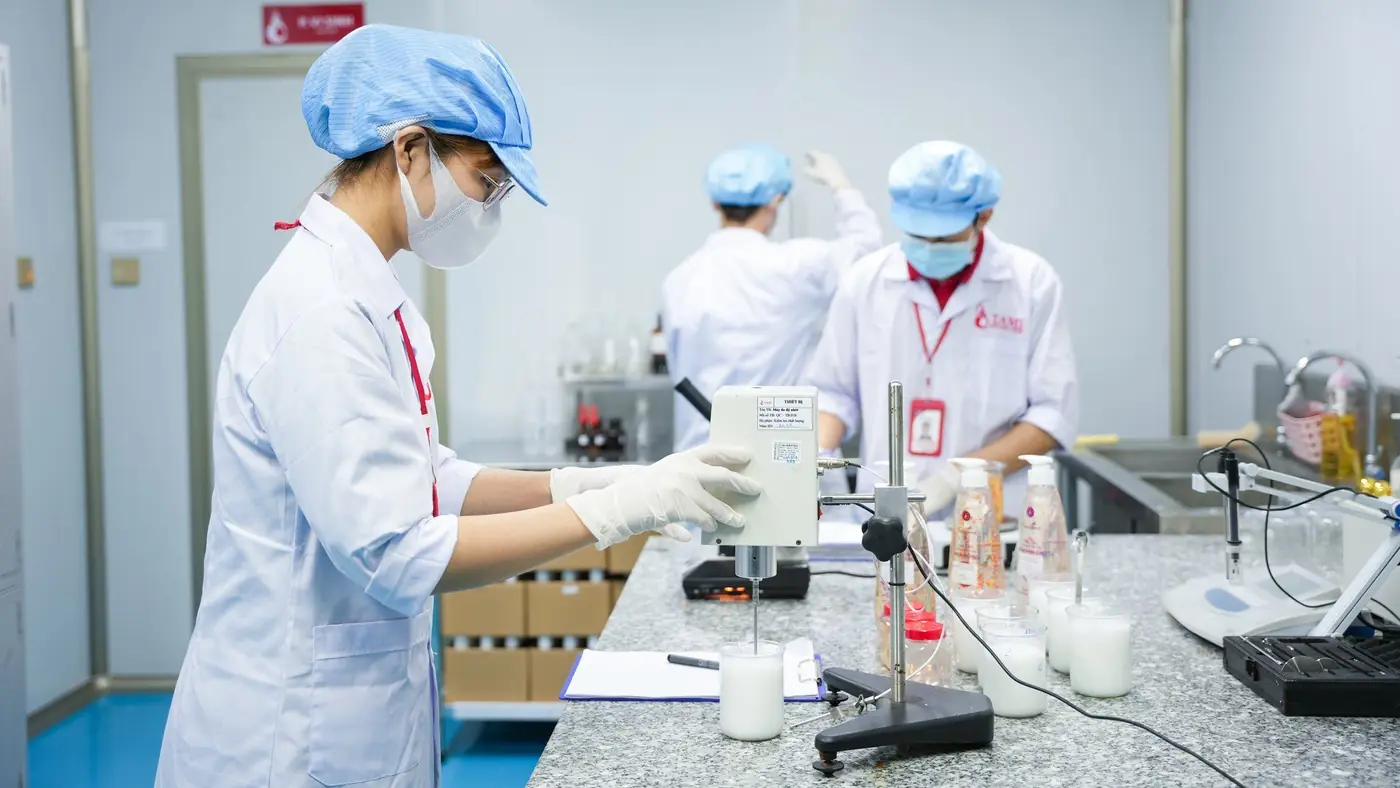
The plant, the emulsifying rooms, the filling station, the QC laboratory and the warehouse are the ones in the photographs below — walk them against the images when you visit: the aerial is this site, the tank sizes are the ones listed, the tank-room flooring and ceiling are built to CGMP workshop standards, and the filling and QC frames are those two rooms.
Bring this list when you visit and check it item by item: site area, number of production lines, daily emulsifying capacity, main tank sizes, warehouse zoning, and how workshop temperature and humidity are controlled. Where something does not match, ask on the spot.
Send the dates and how many people are coming and we arrange the visit. It is fine to visit before discussing an order — confirming the lines fit your category is more useful than arguing price first.
Customer audits and third-party audits usually work from the same list: legal entity, certificates, production and QC records, warehouse zoning, and facility and hygiene controls. We prepare against that list rather than assembling documents once an audit is booked.
Available on the spot: the business licence and tax registration as originals; the original certificates for CGMP-ASEAN (912/GCN-QLD) and ISO 9001:2015 (749435); batch-traceable production and QC records; zoning and temperature/humidity records for the raw-material and packaging stores; and output records for the 28 tonnes/day RO water system.
What we cannot provide, stated up front: we do not hold BSCI or Sedex, and we have no third-party social-compliance audit report. If either is on your checklist we mark it "not held" — we do not substitute another certificate for it. It is written here so you know the gap before you take this to an internal review.
The same checklist expanded into a printable piece — with twelve questions for the day and the four most common traps — is on auditing a Vietnamese cosmetics factory.
Every position photographed above can be walked to: the site, the emulsifying room, the packaging store, the warehouse, the raw-material store and the finished-goods store. You see production as it is running, not a staged sample room.
Three things are not open: formulations other clients are currently running, other clients' packaging and artwork, and the supplier labels on incoming materials. Not secrecy — that information belongs to other customers.
There is now a 48-second film shot on the floor, on the process page: nine locations cut in production order, with no voiceover, no music and no text on the frame. It is still an edit, so we do not present it as live — if you want to see the lines, see them on site. The tour route does not pass through the offices, dormitories or canteen, which is why there are no photographs of them here.
Want to visit? Send the dates and how many people, and we arrange the visit.
You get three answers back: whether it is feasible, the MOQ, and how sampling works. If it does not fit our lines, we say so in the first email instead of the third meeting.